Why keeping it quiet doesn’t keep it safe
I used to think I was doing the right thing.
I wouldn’t share the name of that lake I loved. Wouldn’t post the trailhead. I’d zoom in on photos to crop out landmarks, scribble over geotags, protect it like it was a secret I had earned. Because if I didn’t, someone would ruin it. Right?
That’s the story I told myself, anyway.
But the longer I’ve been on these trails, the more I’ve started to question what I was really protecting—and who I was trying to keep out.
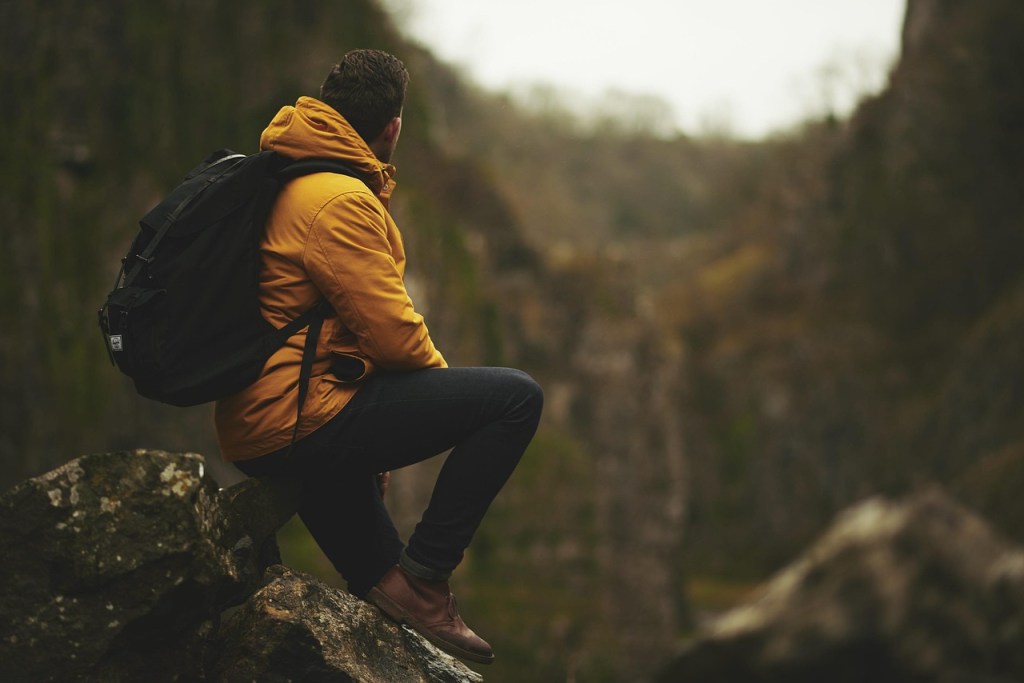
There’s a kind of sacredness in solitude.
We all crave that feeling: like the forest is whispering just to us, like the mountains showed up just for our eyes. When we find a place that gives us that, it’s hard not to clutch it close.
But secrecy isn’t stewardship.
Gatekeeping, even when it’s wrapped in concern, can start to look a lot like control.
Who gets to know where this place is?
Who gets to feel this magic?
Who gets to belong?
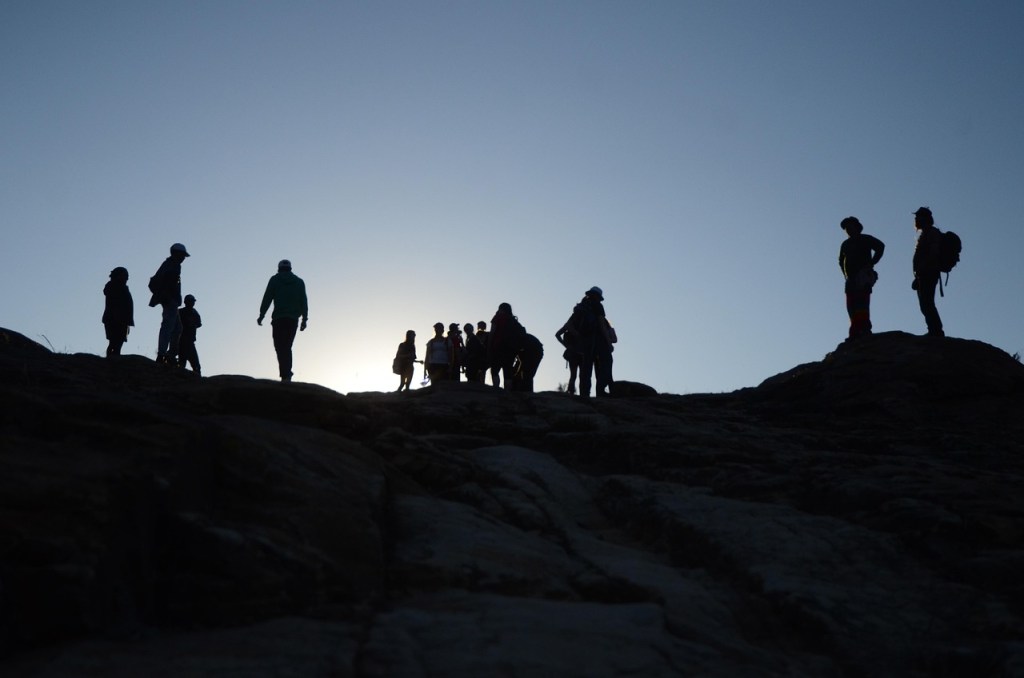
Let’s be honest: the outdoors has a history of exclusion.
We’ve drawn lines around what counts as “real” adventure.
We’ve made fun of people who hike in jeans.
We’ve mocked trail etiquette mistakes instead of teaching them.
And we’ve treated public land like it’s something to hoard.
It’s easy to fall into that trap. Especially when places are being overrun or mistreated. But we have to ask: is silence helping?
Or is it just making sure the same people stay in, and the same people stay out?
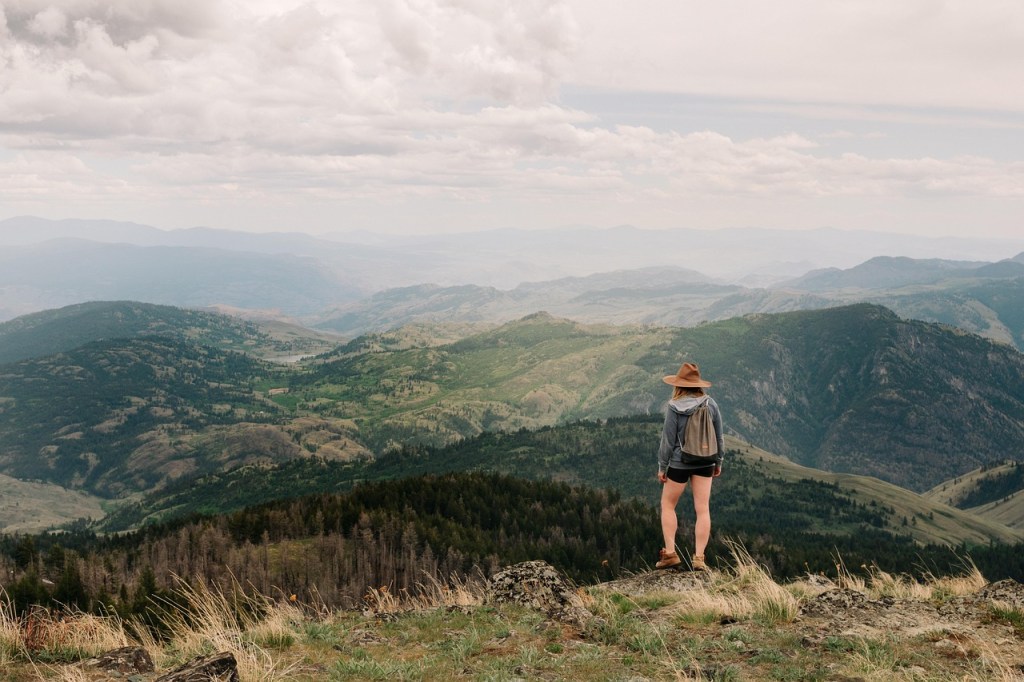
The truth is, people protect what they love.
And you can’t love something you’ve never seen.
If we want more stewards, we need more stories.
If we want more care, we need more connection.
If we want to protect wild places, we have to let people into them—not just physically, but emotionally. Culturally. Historically.
We need to stop whispering about secret spots like they’re forbidden fruit.
And start talking louder—about respect, about responsibility, about what it means to really belong to a place.
Some spots are fragile. Absolutely.
Some places shouldn’t be shared widely online.
Some knowledge isn’t ours to pass on.
But most of the time, it’s not about the place—it’s about how we show up in it.
That’s what makes the difference.
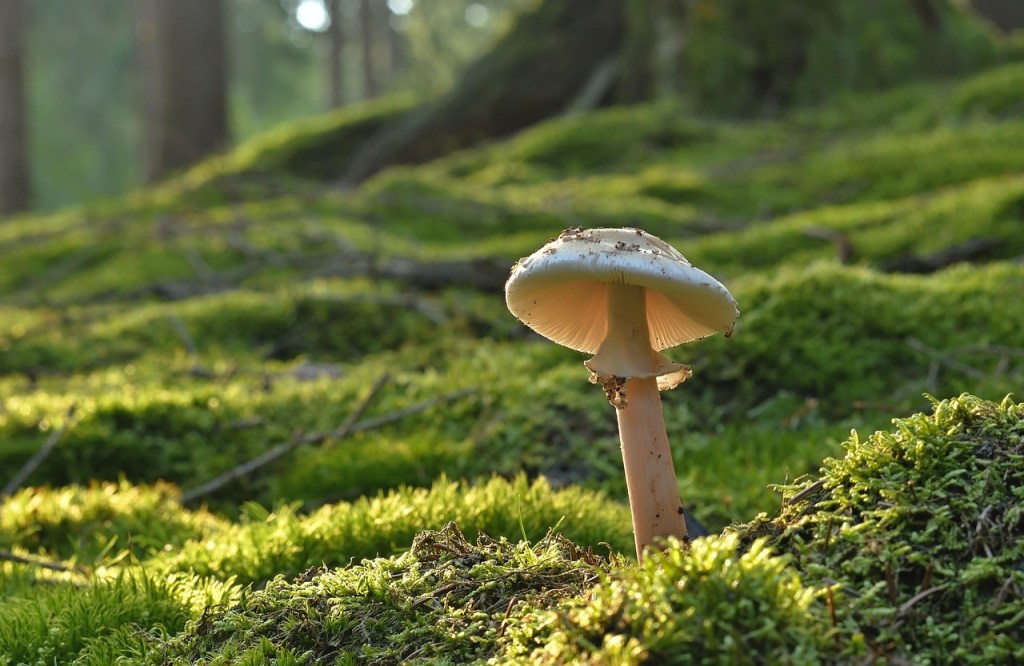
At WildKind, we don’t believe in keeping the wild to ourselves.
We believe in passing it on. In teaching people how to move gently. In holding the door open to the forest and the conversation.
Because the wild doesn’t need more secrets.
It needs more guardians.
And guardianship starts with letting others in.
 WildKind Collective