
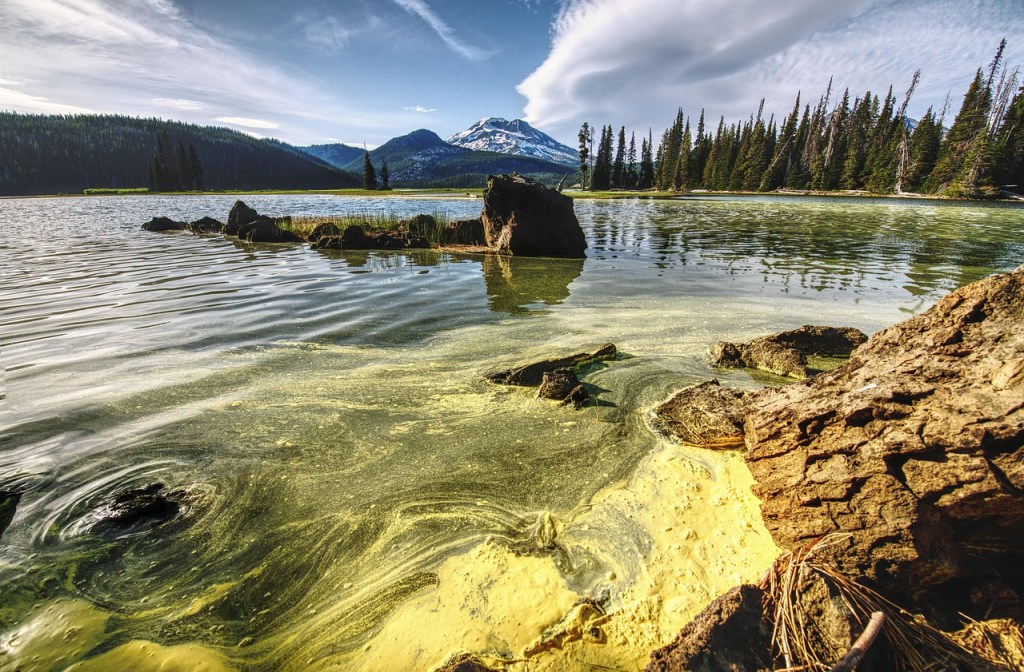
You hike to a favorite alpine lake in August. The sun is out, your feet are dusty, and you’re ready to dive in. But something’s off. The water looks murky. Almost…green. There’s a strange film near the edges. Maybe even a funky smell.
What you’re seeing isn’t just nature doing its thing—it’s likely algae bloom, and it can signal deeper problems for water quality, wildlife, and public health.
Here’s what causes lakes to go green in late summer—and how you, as an outdoor adventurer, can help protect them.
The Science Behind the Green
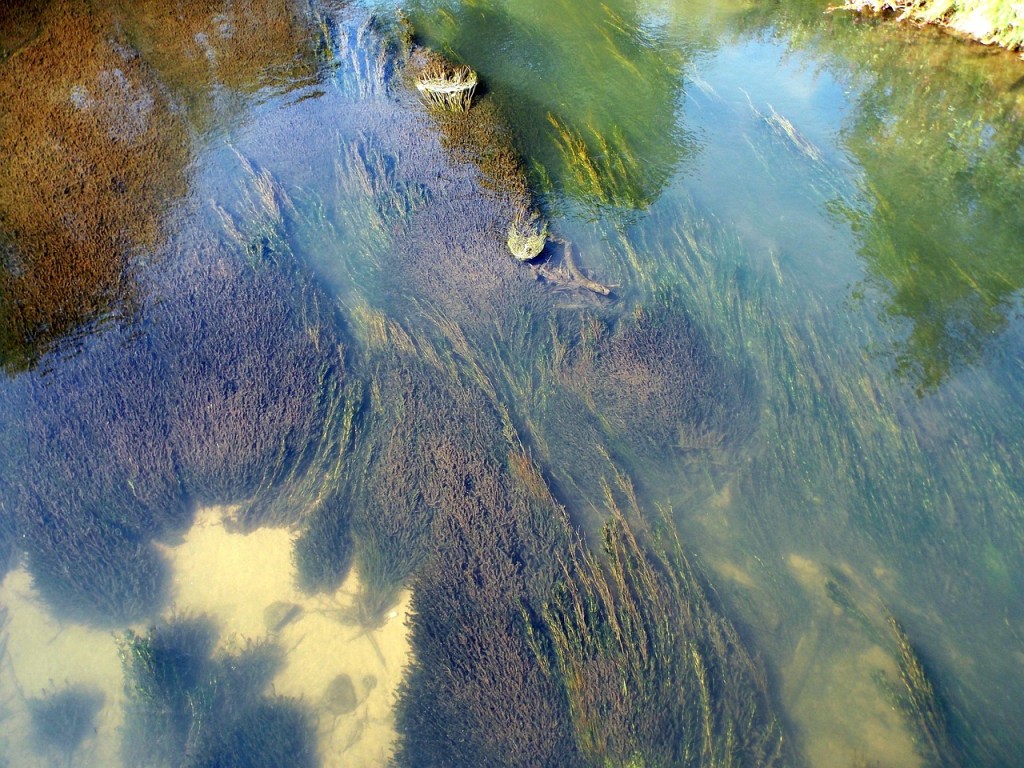
That green hue is typically caused by cyanobacteria, also known as blue-green algae. In small amounts, it’s natural. But when conditions are just right, it explodes into large algal blooms, turning clear water murky, green, or even pea-soup thick.
Algae loves:
- Warm temperatures (hello, climate change)
- Still water with low flow
- Excess nutrients—especially nitrogen and phosphorus
These nutrients often come from:
- Fertilizers and septic runoff
- Soap or food waste in campsites
- Wildlife waste (and human waste too)
- Pet waste not picked up near lakes and streams
Why It’s a Problem
- Toxicity: Some algal blooms produce neurotoxins dangerous to people, pets, and wildlife.
- Dead zones: When algae die, they decompose—and that process sucks oxygen out of the water, killing fish and aquatic life.
- Drinking water impact: Even remote alpine lakes feed into bigger systems. Pollution in one spot travels downstream.
- Recreation closures: Lakes with active algal blooms are often closed to swimmers, paddlers, and dogs.
In short: green lakes are not a vibe.
🏕️ What You Can Do
1. Skip the Soap
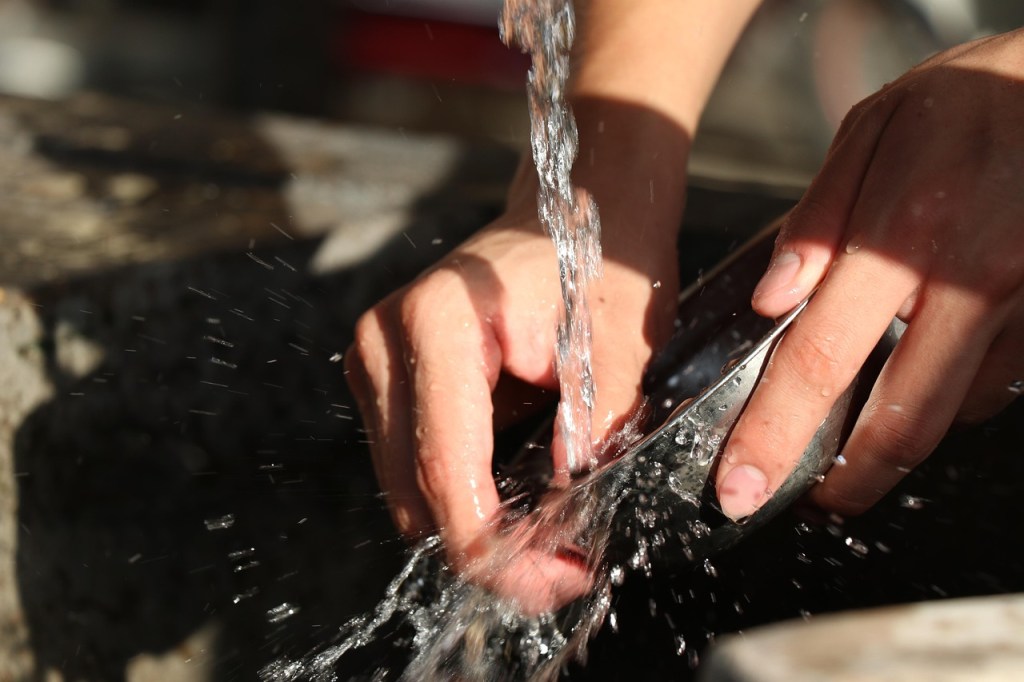
Even biodegradable soap can fuel algae growth. Wash at least 200 feet from water sources and never directly in lakes or streams.
2. Pack Out (or Bury Properly)
Human waste introduces nutrients that feed algae. Use wag bags or bury waste in a proper cat hole—and pack out toilet paper. Pet waste counts too.
3. Don’t Dump Dishwater or Food Scraps in the Lake
Even small amounts of food and grease can throw off the ecosystem. Strain dishwater, scatter it away from the lake, and pack out scraps.
4. Choose Campsites Away From Shorelines
Camping too close to fragile lakeshores tramples vegetation, disturbs wildlife, and increases nutrient runoff.
5. Learn Before You Swim or Filter
Check local land management websites for toxic algae warnings, especially in late summer. Never filter green or murky water with a standard backpacking filter—boiling doesn’t remove toxins either.
WildKind Tip:
You don’t need to swim in the lake to enjoy it. Brew a cup of trail coffee on a rock nearby, take in the view, and leave no trace that you were ever there.
The Takeaway
When lakes go green, it’s not just a summer inconvenience—it’s a sign that ecosystems are under stress. The good news? Our small actions can make a difference. When we tread lightly, camp responsibly, and rethink our habits, we protect the places we love for the long haul.
Let’s keep our alpine lakes clear, cold, and wild.
 WildKind Collective