Because trail conditions aren’t the only things changing.
Hiking above the treeline in the Pacific Northwest is a unique experience. You see jagged peaks and feel the cool air. There’s also the fleeting flush of wildflowers in bloom. But our alpine landscapes are changing fast. You may have hiked the same trail over the last few years. Perhaps you thought, Hmm, the snow’s gone early this year. If so, you are correct. The snow has indeed disappeared earlier than usual.
The alpine is melting. And that has real consequences for the hikes we love, the species that live there, and the future of recreation in the mountains.

What’s Happening in the Alpine?
High-elevation environments are warming faster than lowland areas, especially in the Pacific Northwest. This leads to:
- Earlier snowmelt
- Shrinking glaciers
- Drier soils and meadows
- Longer fire seasons
- Shifting wildflower bloom times
- More erosion on exposed trails
In short, the high country is losing some of its most defining features—and it’s happening in our lifetime.
How This Affects Your Summer Hikes
1. Shorter Wildflower Seasons
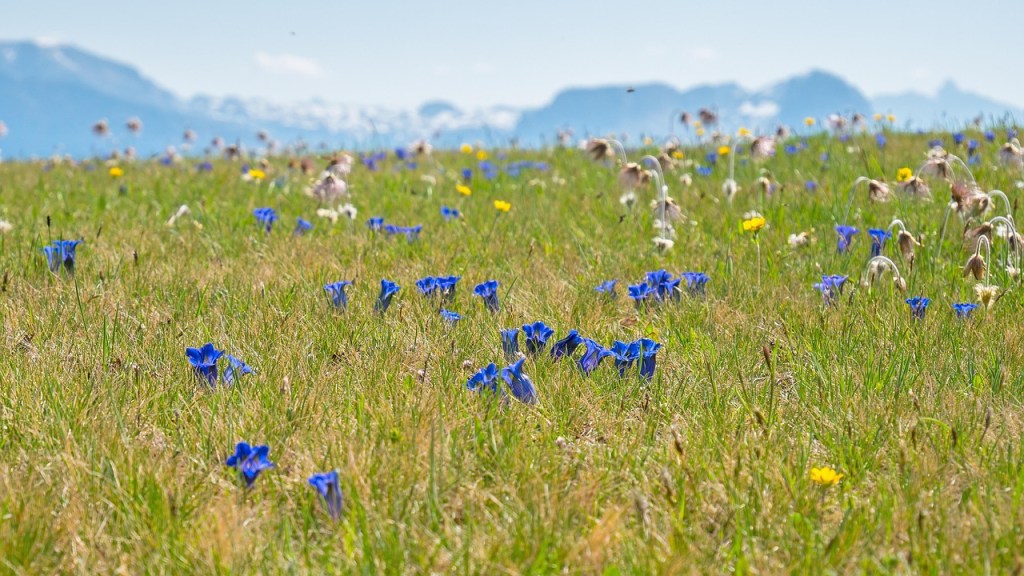
Snowmelt triggers the start of alpine bloom. Earlier melt means earlier flowers—sometimes weeks ahead of “normal.” This can catch hikers off guard, lead to trampled meadows (when trails aren’t dry yet), and disrupt pollinators.
2. Exposed and Dry Trails
Without lingering snowpack to slowly release moisture, alpine trails dry out earlier—and become more prone to dust, erosion, and damage. Switchbacks get blown out. Meadows become fragile.
3. Disappearing Water Sources
Those trickling streams you depend on to refill bottles or filter water? Many are drying up mid-summer. This not only affects hikers but also the wildlife that depend on those seasonal seeps and springs.
4. More Fire Risk, Even at Elevation
The alpine used to be a refuge from smoke. But warming temps and lightning storms have brought wildfire risk—and air quality issues—higher and earlier in the season.
5. Shifting Trail Timing
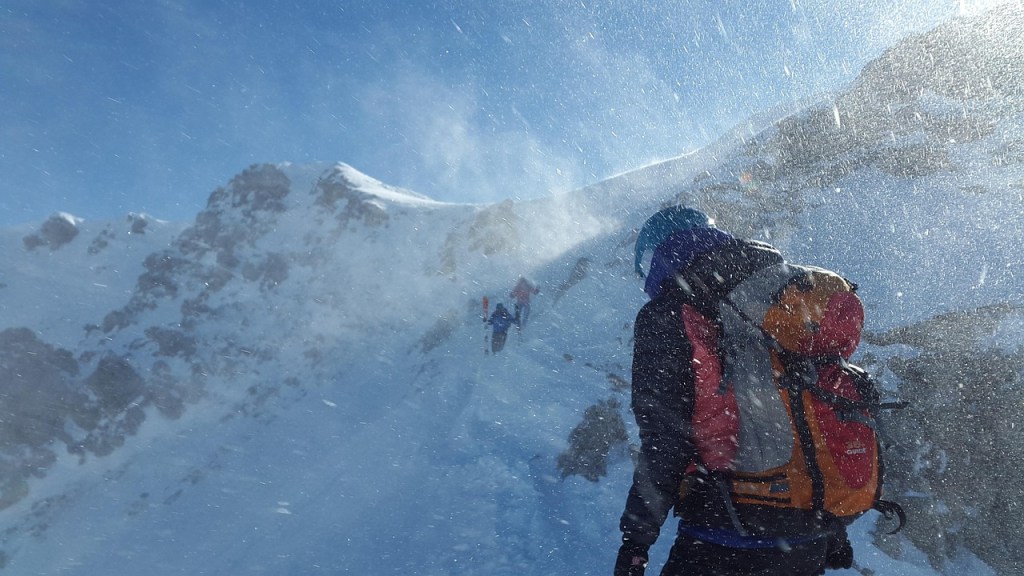
You might be hiking “September conditions” in July. That’s a big shift for trip planning, safety, and gear choices.
What You Can Do as a Hiker
1. Stay Flexible with Timing
The “best time to hike” may shift year to year. Research recent trip reports and snowpack levels before heading out.
2. Stick to the Trail (Even When It’s Muddy)
Avoid stepping off trail to go around snow or wet spots. It leads to erosion and long-term damage—especially in alpine meadows.
3. Filter Water Early and Often
Don’t assume late-season alpine streams will be flowing. Carry extra water capacity or research alternate sources.
4. Skip the Fire
If you’re camping above treeline, leave the campfire behind. Fragile alpine areas don’t regenerate easily, and fire bans are more common each year.
5. Support Restoration and Trail Work
Volunteers and land managers are working overtime to protect alpine environments. Support them with your time, donations, or simple trail etiquette.
WildKind Tip:
Coffee tastes best with a glacier view. But if that glacier’s gone, what else are we losing? Let your morning trail brew remind you to tread with care. Maybe carry out an extra piece of trash while you’re at it.
The Takeaway
The alpine is sacred ground. It’s also vulnerable. As warming summers reshape our favorite hikes, we have two choices: ignore it, or adapt. At WildKind, we believe adventure and responsibility can go hand-in-hand.
So take the high trail this summer—but take it with intention.
 WildKind Collective