
It’s not always the big things that leave a mark.
We’ve all seen the obvious culprits: abandoned tents, crushed beer cans, and the dreaded TP flower. But there’s another kind of litter that’s harder to see—and in many ways, more harmful. It’s called microtrash, and it’s quietly piling up in our wild places.
What Is Microtrash?
Microtrash includes any small, often-overlooked debris left behind by outdoor users. Think:
- Fruit stickers
- Corners of energy bar wrappers
- Shreds of toilet paper
- Burnt matchsticks
- Clothing tags and zipper pulls
- Tiny bits of foil from snacks, coffee, or medications
- Plastic tabs, twist ties, and broken gear pieces
These bits might not seem like a big deal. That is, until you realize how many thousands of hikers, campers, and climbers are unintentionally leaving the same thing behind.
Why It’s a Big Deal
1. Wildlife eats it.
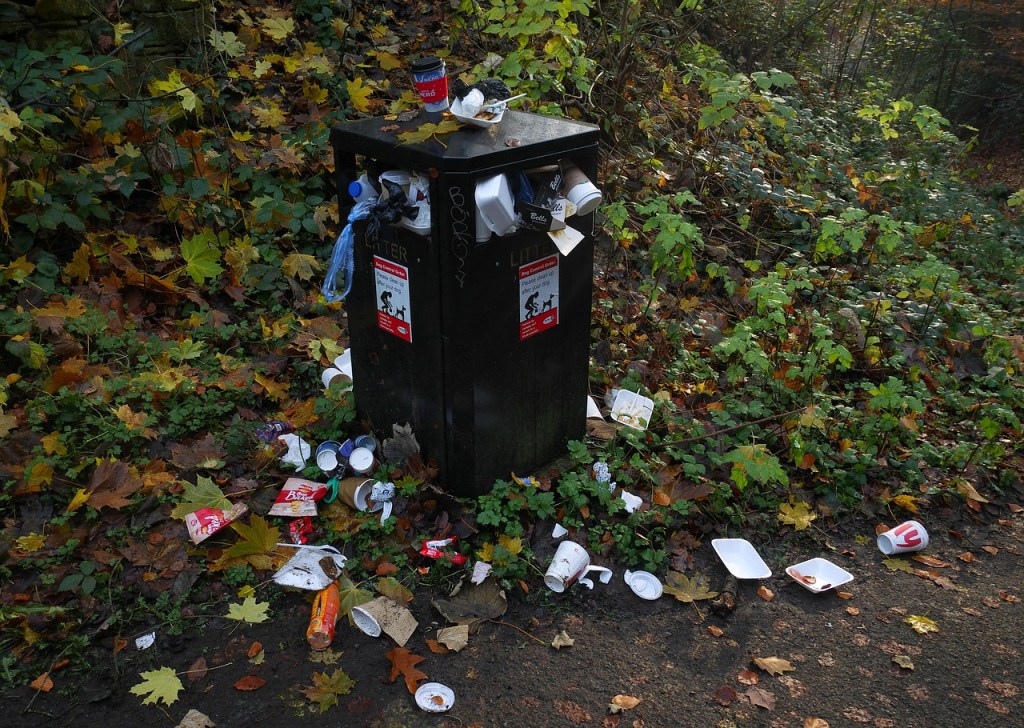
Microtrash is often shiny, salty, or sweet-smelling—making it irresistible to birds, rodents, and even larger mammals. Eating plastic or foil can kill animals by causing internal damage or blockages.
2. It adds up fast.
One forgotten twist tie seems small. However, when 500 people each leave one behind, you’ve got a garbage dump hiding in the grass.
3. It’s impossible to remove once embedded.
Once microtrash works its way into soil, leaf litter, or alpine tundra, it’s nearly impossible to clean up. This process often results in further damage to the ecosystem.
Common Microtrash Zones to Watch
You’re most likely to find (or accidentally drop) microtrash in:
- Campsites and fire rings
- Trailheads and viewpoint rest stops
- Picnic areas
- River put-ins and take-outs
- Basecamps for alpine climbs
- Backcountry toilets or “cat hole” spots
How to Be a Microtrash Hero
1. Bring a “Trash Pocket” or Dedicated Stuff Sack
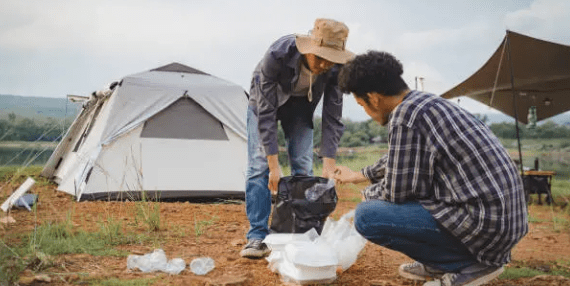
Old sunglasses bag? Ziploc? Mesh produce bag? Anything works. Keep one on you and commit to collecting your microtrash and a few bonus bits you find along the way.
2. Remove Packaging at Home
Unwrap snacks, remove tags, and pre-cut tape before heading out. It minimizes what can fall apart on trail.
3. Choose Low-Waste Gear
Skip single-use items when you can: no to disposable utensils, yes to a long-handled spork that lives in your pack.
4. Don’t Burn It
Foil, plastic, and waxy paper don’t belong in the fire. Even tiny scraps release toxins and don’t fully incinerate.
5. Do the Microtrash Scan Before Leaving Camp
Get eye-level with the ground and do a “grid walk” before heading out. A quick scan can prevent long-term harm.
WildKind Tip:
Stickers on apples are a microtrash menace, especially during summer trail snack season. Peel them off before you leave home, and save your compostable cores for later.
The Takeaway
Microtrash might be small, but it carries a big impact. In a region as beloved—and as heavily trafficked—as the Pacific Northwest, every little action matters. When we treat the backcountry with deep attention and care, we protect the wild spaces we love for everyone who comes after.
 WildKind Collective