
Because nature doesn’t wait for cell service.
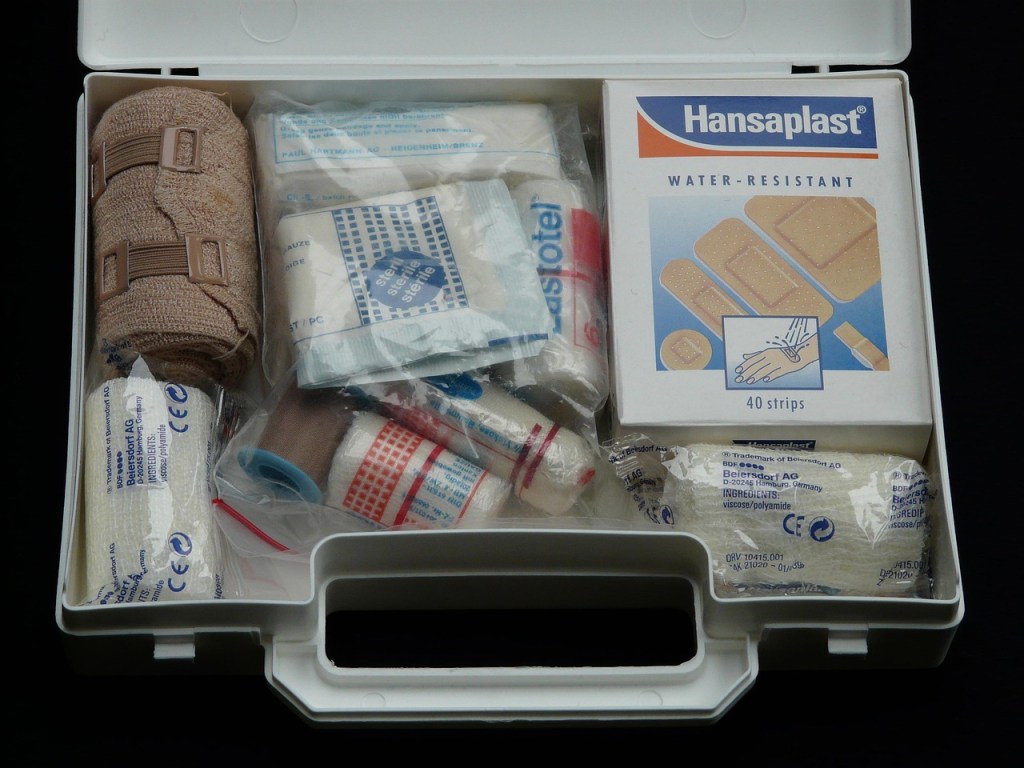
Whether you’re paddling mellow flatwater or dropping into whitewater, the river is a wild and unpredictable place. A good first aid kit—one that’s thoughtfully packed for the environment you’re in—can make all the difference in an emergency.
This guide breaks down the essential items every paddler should carry in their dry bag. It also highlights a few river-specific extras that often get overlooked.
The Basics: Core First Aid Essentials
Let’s start with the fundamentals. These are the non-negotiables:
- Wound care:
- Adhesive bandages (assorted sizes)
- Sterile gauze pads and medical tape
- Antiseptic wipes or iodine
- Antibiotic ointment
- Tweezers (for splinters, hooks, or stingers)
- Blister treatment:
- Moleskin or blister pads
- Small scissors or a multitool
- Pain and inflammation:
- Ibuprofen and acetaminophen
- Antihistamines (for allergic reactions)
- Hydration and heat-related issues:
- Oral rehydration salts or electrolyte tabs
- Emergency blanket (space blanket)
- Hand warmers or heat packs
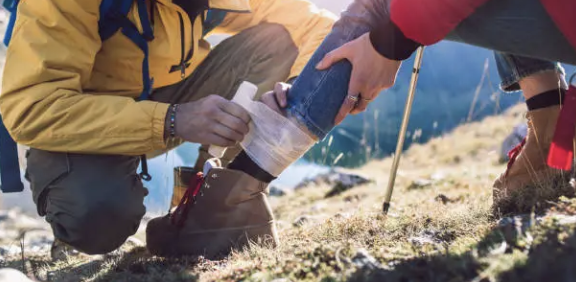
- Cuts, breaks, and sprains:
- Triangular bandage (for slings)
- Elastic wrap (Ace bandage)
- Finger splints or SAM splint (rolled)
River-Specific Additions
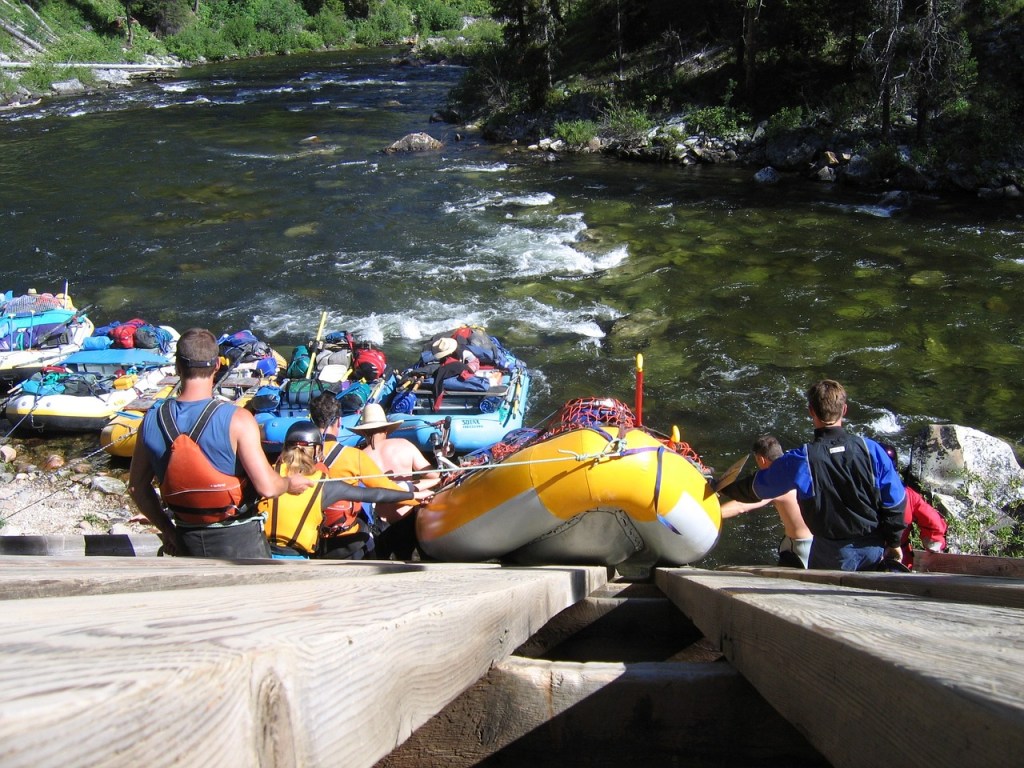
The river adds its own set of challenges. Here’s what we recommend for aquatic environments:
- Waterproof gear:
- Pack everything in a small dry bag within your larger one (double protection matters)
- Ziplock bags for individually wrapping items
- Hydrocortisone cream (for poison oak or insect bites)
- Afterbite stick or sting relief pads
- CPR face shield — small, flat, and crucial for emergencies
- Water purification tabs or straw — in case you get stranded or separated
- Duct tape — for gear repair and first aid (seriously)
- Headlamp or small flashlight — with extra batteries, in case an injury delays your trip
- Signal mirror or whistle — especially in remote areas
Pro Tips for Packing
Keep it small and modular. Use mini kits or label zip pouches by category so you don’t have to dig in a panic.
Repack after every trip. Restock anything you use—even if it’s just a Band-Aid.
Learn how to use it. Consider taking a Wilderness First Aid (WFA) or Wilderness First Responder (WFR) course. Knowledge is just as important as gear.
Add personal meds. Include any medications you or members of your group rely on, including EpiPens or asthma inhalers.
WildKind Tip:
We always tuck a pack of instant coffee in with our first aid supplies. It’s not technically medical, but sometimes a hot drink and a breath of calm can make all the difference.
Bonus: Our Dry Bag Quick List
Here’s a quick checklist to screenshot:
- [ ] Waterproof pouch or secondary dry bag
- [ ] Bandages + gauze
- [ ] Tape + scissors
- [ ] Antiseptic wipes + ointment
- [ ] Ibuprofen + allergy meds
- [ ] Blister treatment
- [ ] SAM splint + Ace wrap
- [ ] Emergency blanket
- [ ] CPR face shield
- [ ] Duct tape
- [ ] Headlamp
- [ ] Signal whistle
- [ ] Water purification tabs
- [ ] Instant coffee (obviously)
Final Word:
Out on the river, you’re your own first responder. A well-packed dry bag can’t fix everything, but it can buy you time, stability, and peace of mind when things go sideways. And that makes every paddle a little safer.
Stay wild, stay safe.
 WildKind Collective