
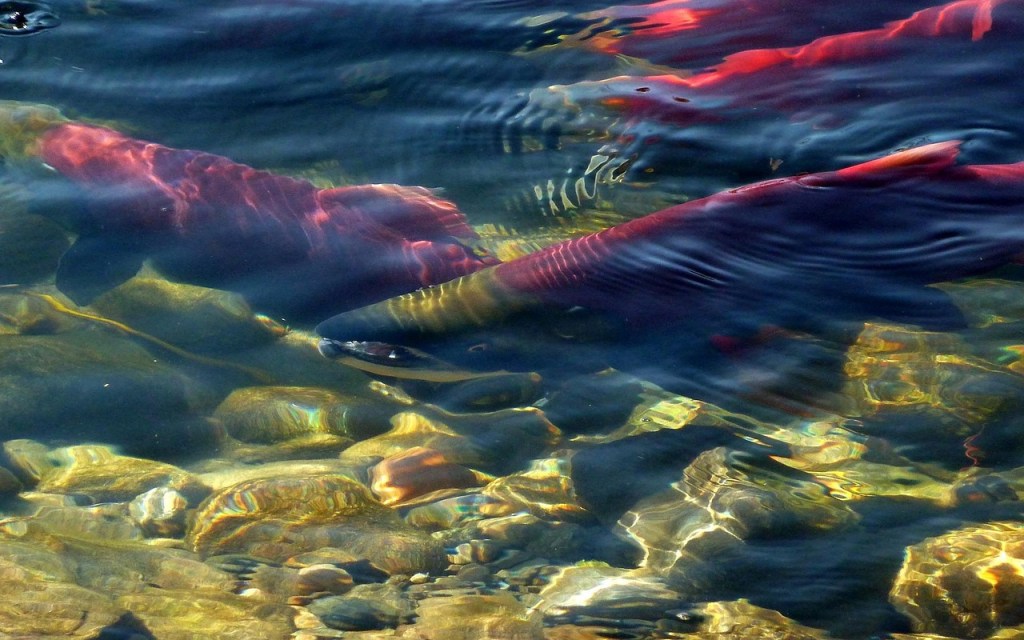
Every summer, salmon return from the sea to the rivers they were born in—some traveling hundreds of miles upstream. It’s one of the greatest migrations on Earth. And yet, each year, fewer make it home. Habitat loss, dams, pollution, warming waters, and overfishing have all taken a toll.
But here’s the good news: you don’t have to be a biologist, policymaker, or river guide to make a difference.
Here are five small, tangible actions that can actually help wild salmon:
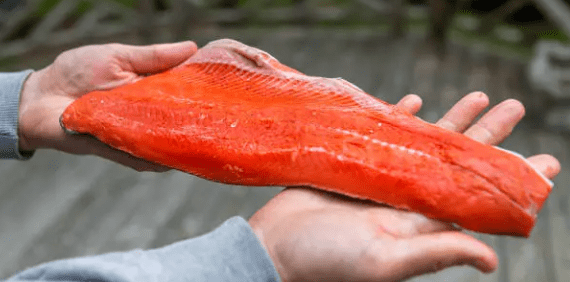
1. Buy Wild-Caught Salmon Responsibly (Or Skip It Entirely)
If you eat salmon, choose sustainably harvested wild salmon—not farmed. Look for third-party certifications like the Marine Stewardship Council (MSC) or support Indigenous-run fisheries. Even better? Consider reducing how often you eat salmon. Every fish that makes it upstream matters.
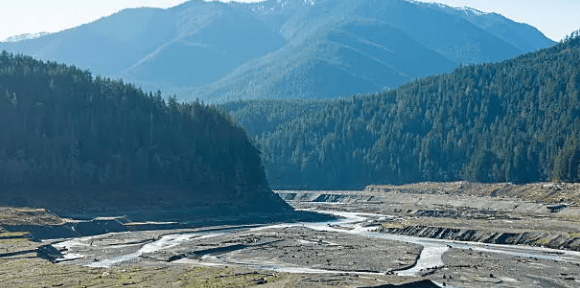
2. Support Dam Removal and River Restoration
Many of the biggest threats to salmon are structural—literally. Outdated dams block critical migration routes and warm up rivers unnaturally. Support organizations fighting for dam removal (like Save Our Wild Salmon) or donate to local river restoration projects. Even a small donation helps fund massive change.
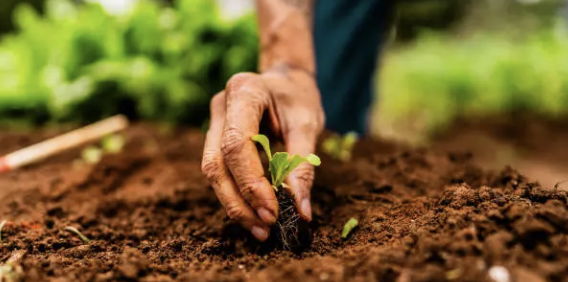
3. Plant Native Trees Near Waterways
Salmon need cold water to survive. Streamside shade is one of the simplest and most effective ways to keep rivers cool. Volunteer for a local tree-planting day—or plant native species if you live near a creek or river. It’s slow magic, but it works.

4. Vote for Salmon
Your local and state elections matter more than you might think. Laws that protect clean water, regulate development, and fund conservation directly affect salmon survival. Before you vote, take time to learn which candidates support strong environmental protections. Then, support them with your voice and your vote.

5. Talk About It
Conservation starts with conversation. Post about salmon. Tell your friends what you’ve learned. Share a Salmon Summer episode. Host a coffee morning and talk about river health. The more we care—and the more we connect that care to action—the better shot these fish have.
Final Thought:
Helping salmon doesn’t require living on a river or working in fisheries science. It just takes a bit of intention, a little time, and a belief that small things matter.
Because they do.
 WildKind Collective